
Most leaders today use AI the same way.
They ask questions.
They get answers.
They make decisions.
It feels efficient. It feels modern.
But there is a problem.
Your business is not a set of questions. It is a system of actions, reactions, and consequences.
And most AI today does not understand that system. It understands patterns in data, not what actually happens when things change in the real world.
This is where “World models” come into play.
What are World Models (without the jargon)
Let’s take a simple example.
Before building a house, you look at a model.
You walk through it.
You check the layout.
You imagine living inside it.
You make changes before spending money.
Now imagine doing the same thing for your business.
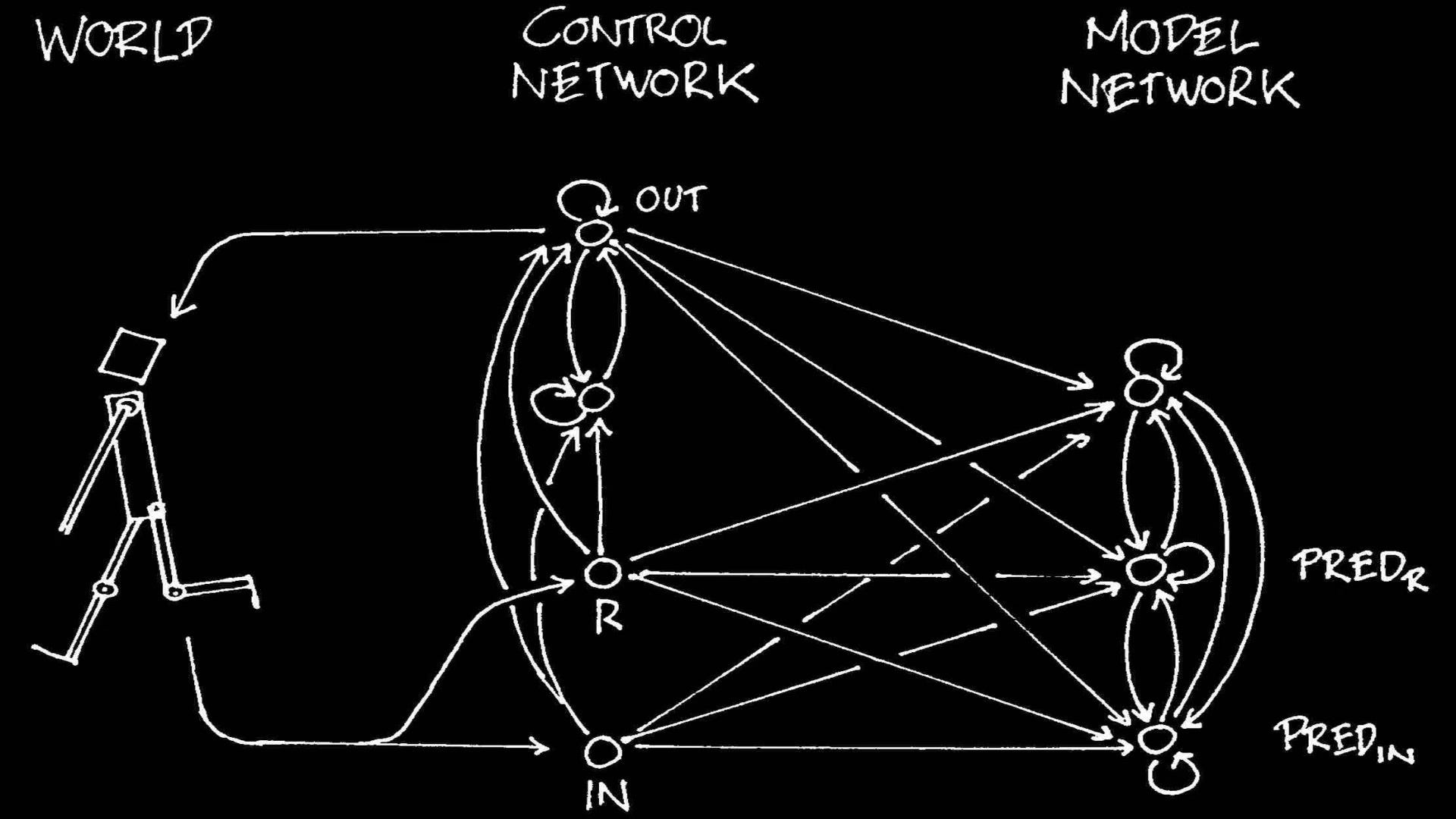
A world model creates a working, virtual version of your operations.
It takes your data, your processes, your constraints, and builds a space where decisions can be tested before they are executed.
Instead of asking, “What should I do?”, you start asking, “What happens if I do this?”
That is a very different level of thinking.
Why this matters now
For the last two years, AI has been focused on language. Writing emails. Summarizing reports. Generating ideas.
Useful, yes. Transformational, not always.
Because the real value in business is not in writing better emails. It is in making better decisions under uncertainty.
What happens if demand suddenly spikes?
What happens if your supplier fails?
What happens if you change pricing or layout or capacity?
These are not questions you can answer well with text alone.
They require understanding cause and effect.
World models bring that missing layer.
They allow AI to simulate how your business behaves, not just describe it.
Where this shows up in real business
This is not theoretical. The use cases are already clear.
In strategy, leaders can simulate major decisions before committing capital.
A market entry, a product launch, or even a pricing shift can be tested across different scenarios. Instead of long debates, you get a clearer view of possible outcomes.
In operations, companies can experiment without disruption. A manufacturer can test different factory layouts or production speeds without touching the real line. A retailer can simulate how customers move through a new store design before building it.
In training, both people and machines can learn safely. Employees can practice complex situations in a simulated environment. Autonomous systems can improve without risking real-world errors.
And in planning, companies can move from reacting to preparing. Instead of waiting for a disruption, they can run “what if” scenarios in advance and build more resilient strategies.
All of this leads to the same result.
Faster learning. Lower risk. Better decisions.
A simple way to understand the system
Every business already runs on a loop.
You observe what is happening.
You think about what could happen next.
You decide what to do.
World models simply strengthen the middle step.
They turn “thinking” into “testing”.
Instead of guessing outcomes, you simulate them.
What leaders should actually do
The mistake most companies make is trying to start too big.
This is not where you begin.
You start with one decision. One area where mistakes are costly.
It could be supply chain planning.
It could be a store layout.
It could be pricing or demand forecasting.
You take that one problem and ask:
“Can we simulate this before we execute it?”
Then you run a small pilot. You use the data you already have. You test a few scenarios. You measure what changes.
If the result is clear, you expand.
This is how adoption will happen. Not through large transformation programs, but through small, high-impact experiments.
The real shift
Most companies still operate in a simple pattern.
They act first. Then they learn.
World models reverse that.
They allow you to learn first. Then act.
That may sound like a small change. It is not.
Because over time, the companies that reduce bad decisions will outperform those that simply move fast.
Final thought
AI that answers questions is useful.
AI that lets you test decisions before making them is different.
That is where the real advantage is.
And it has already started to happen.